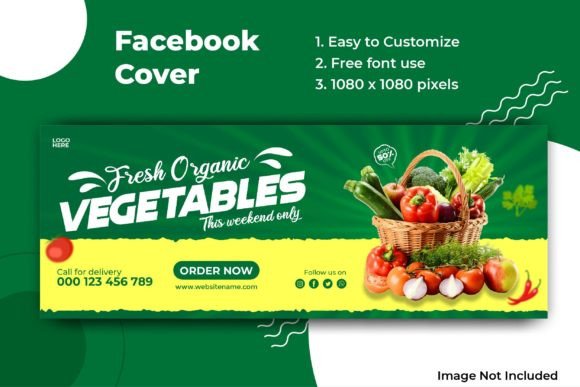
Facebook Cover Template for Vegetables: Integrating Visual Assets into Your Marketing Workflow
In the fast-paced environment of digital marketing, consistency and speed are often at odds. For professionals managing social media presence—whether you are a small business owner selling organic produce, a nutritionist building a personal brand, or a marketer handling multiple agri-food clients—the pressure to deliver high-quality visuals on tight deadlines is constant. This is where a specialized asset like a Facebook Cover Template for Vegetables becomes more than just a graphic file; it becomes a critical component of an efficient content production pipeline.
Understanding how to integrate this template into your broader workflow allows you to move beyond simple decoration and toward strategic visual communication. By leveraging a pre-designed, fully editable structure, you reduce the friction between idea generation and publication, ensuring that your brand maintains a professional appearance without requiring extensive design hours for every update.
The Role of Pre-Designed Templates in Content Strategy
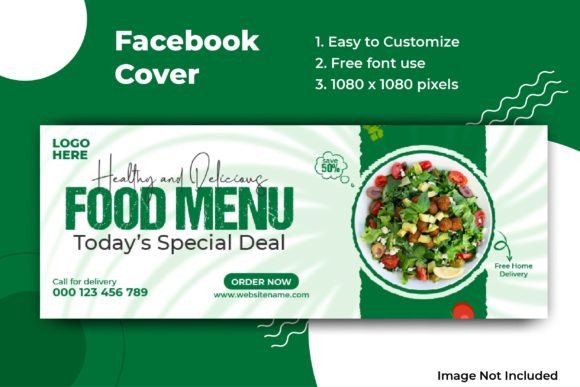
A Facebook cover image is prime real estate. It is the first visual element visitors encounter when landing on your page, setting the tone for your brand identity. For businesses in the health, wellness, and food sectors, this space must communicate freshness, quality, and vitality instantly. Creating this from scratch for every campaign is inefficient. Instead, adopting a standardized Facebook Cover Template for Vegetables allows you to establish a visual baseline that can be adapted for seasonal promotions, new product launches, or educational content.
This approach fits seamlessly into a content calendar. Before you begin writing copy or scheduling posts, you can prepare your visual assets using the template. This preparation phase ensures that when a timely opportunity arises—such as a sudden trend in plant-based eating or a local harvest festival—you have the structural framework ready. You simply swap out the specific vegetable imagery and adjust the text, reducing production time from hours to minutes.
Technical Specifications and Compatibility
To effectively implement this asset, it is crucial to understand its technical foundation. The template is provided as an Illustrator Vector file (EPS). This format is significant for several reasons regarding workflow compatibility and quality control.
- Scalability: Vector graphics use mathematical paths rather than pixels. This means you can resize elements within the template without any loss of quality. While the final export is optimized for Facebook’s specific dimensions, having vector source files ensures that if you need to repurpose the design for a larger print banner or a different digital platform, the integrity of the shapes and typography remains intact.
- Editability: The file is fully editable, meaning every layer, color, and text box is accessible. This is essential for maintaining brand consistency. You can match the hex codes of the template to your corporate branding guidelines precisely, rather than approximating colors in a raster-based editor.
- Organization: A well-organized layer structure is vital for efficiency. When layers are named and grouped logically, you spend less time hunting for specific elements and more time refining the design. This organization supports collaboration, allowing team members to pick up the file and make adjustments without disrupting the overall composition.
The template is sized at 820x312 pixels in RGB Color mode at 72 DPI. These specifications are tailored specifically for web display. RGB is the standard color model for screens, ensuring that the vibrant greens of vegetables and the crispness of text appear correctly on monitors and mobile devices. Using 72 DPI keeps the file size manageable for quick loading times, which is a factor in user experience and SEO performance on social platforms.
Workflow Integration: From Asset to Publication
Integrating the Facebook Cover Template for Vegetables into your daily operations requires a clear process. Here is how it interacts with other tools and decisions in a typical marketing workflow.
Preparation and Asset Collection
Before opening the EPS file, gather your photographic assets. It is important to note that images are not included in the main file. The images seen in preview mockups are for demonstration purposes only. This separation is intentional; it allows you to source high-resolution, licensed photography that aligns with your specific inventory or message. Whether you are using stock photography libraries or original photos from a recent farm visit, having these images ready and edited for color consistency before importing them into the template streamlines the design process.
Execution in Adobe Illustrator
Open the EPS file in Adobe Illustrator. Because the template is vector-based, you will work with shapes and text objects. Place your chosen vegetable image into the designated area. Use clipping masks to ensure the photo fits perfectly within the design boundaries without distorting the aspect ratio. Adjust the text layers to reflect your current campaign message. For example, change "Fresh Organic Produce" to "Summer Harvest Sale." The well-organized layers allow you to toggle visibility, lock background elements, and focus on the variables that change with each update.
Quality Control and Export
Once edits are complete, perform a quality check. Ensure that no text extends into the "safe zone" areas that might be cropped on mobile devices. Facebook displays cover images differently on desktop versus mobile, so previewing the design in both contexts is a necessary step. After verification, export the file as a PNG or JPG. While the source is EPS, the final upload to Facebook requires a raster format. Exporting at the highest quality setting within the 820x312 pixel dimension ensures clarity without excessive file weight.
Strategic Use Cases and Long-Term Value
The utility of this template extends beyond a single post. It supports various strategic initiatives throughout the year.
Seasonal Campaigns: Vegetable availability is highly seasonal. You can create variations of the template for spring peas, summer tomatoes, autumn squashes, and winter root vegetables. By keeping the layout consistent but changing the hero image and accent colors, you reinforce brand recognition while highlighting seasonal relevance.
Educational Content: If you are an educator or nutritionist, use the template to promote webinars or blog posts about the benefits of specific vegetables. The clean, professional look lends credibility to your information, encouraging higher engagement and click-through rates.
Promotional Events: For farmers' markets or online store sales, the template provides a quick way to announce discounts or new arrivals. The speed of implementation means you can react to market changes or inventory surplus in real-time, turning potential waste into revenue through timely promotion.
Maximizing Efficiency and Consistency
Adopting a standardized template contributes to long-term operational efficiency. It reduces decision fatigue by providing a predefined structure. Instead of debating layout choices for every cover image, your team focuses on the message and the imagery. This consistency builds trust with your audience. When users see a cohesive visual identity across your social media presence, they perceive your brand as professional and reliable.
Furthermore, using a vector-based EPS file future-proofs your assets. As screen resolutions improve and platform requirements evolve, having the source vector file allows you to adapt the design without starting from scratch. You can easily update fonts, colors, or graphical elements to refresh your look without losing the underlying structural integrity of the design.
In conclusion, the Facebook Cover Template for Vegetables is not merely a graphic resource; it is a tool for strategic execution. By understanding its technical specifications, integrating it into your content preparation workflow, and leveraging its editability for consistent branding, you enhance both the quality and efficiency of your digital marketing efforts. For professionals seeking to balance creativity with productivity, this template offers a practical solution that supports sustainable growth and effective communication in the competitive landscape of social media.