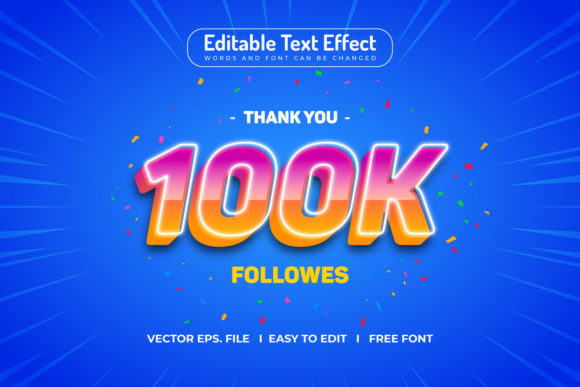
Mastering 100k Special Editable 3D Text Effects
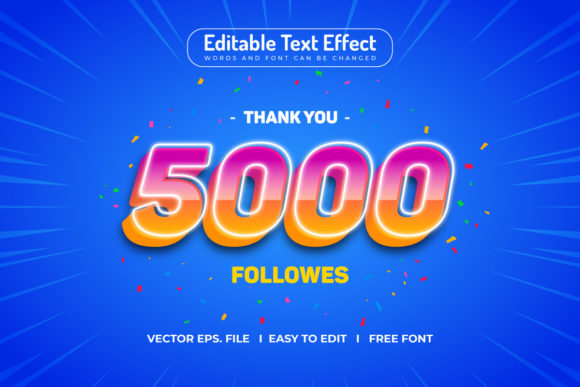
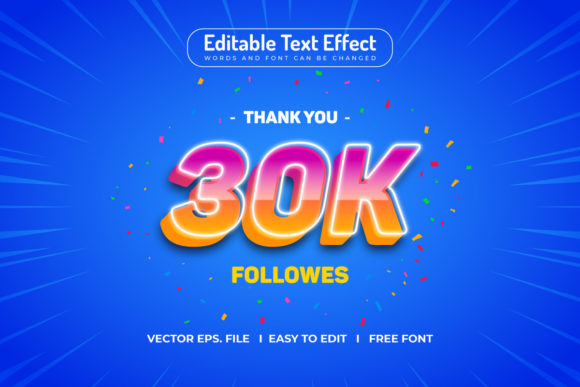
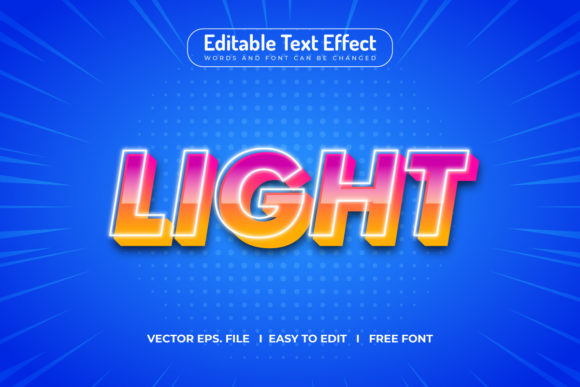
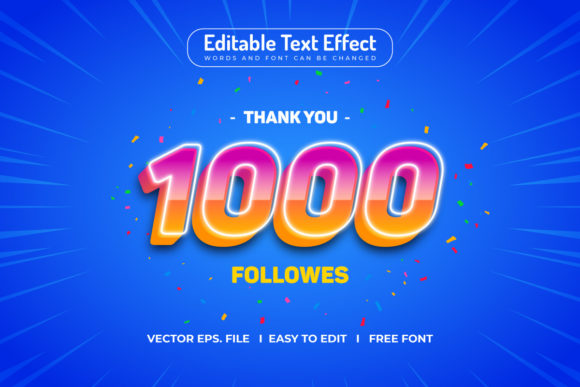
In the fast-paced world of digital marketing and brand identity, static imagery often fails to capture attention. Visual hierarchy is no longer just about size or weight; it is about depth, texture, and dimension. This is where 100k Special Editable 3D Text Effects transforms the design workflow. Rather than spending hours rendering complex lighting scenarios in heavy 3D software, designers and content creators can leverage pre-built, high-quality assets that offer immediate visual impact. These resources are not merely decorative; they are strategic tools for enhancing communication through compelling visuals.
The appeal of these effects lies in their versatility and ease of use. Whether you are working on a logo design that needs to pop off the screen or creating social media graphics that stop the scroll, having access to a vast library of editable styles allows for rapid iteration. The collection typically includes formats like EPS and JPEG, ensuring compatibility with both vector-based workflows and raster-based editing environments. This flexibility means you can maintain crisp edges for large-format printing while also having ready-to-use images for quick digital posts.
Elevating Brand Identity with Dimensional Typography
When we discuss brand identity, we often focus on color palettes and primary typefaces. However, the application of those elements in specific contexts defines how a brand is perceived. Using specialized 3D text effects can signal innovation, luxury, or playfulness, depending on the style chosen. For instance, a Gold text effect immediately conveys prestige and high value, making it ideal for premium product launches or exclusive event invitations. On the other hand, a clean, modern 3D style might suit a tech startup aiming for a sleek, futuristic aesthetic.
The term "editable" is crucial here. Unlike static PNGs that lock you into a specific look, editable 3D text effects—often provided as text effect PSD files or vector formats—allow you to customize the core message. You can change the copy to match your campaign, adjust colors to align with your brand guidelines, and modify lighting angles to suit the composition of your layout. This level of control ensures that your design assets remain consistent across various platforms, from web banners to packaging design.
Consider the psychological impact of depth. Three-dimensional text creates a sense of tangibility. It invites the viewer to look closer, engaging them more deeply than flat typography might. In editorial design, this can be used to highlight key quotes or section headers, guiding the reader’s eye through the content. In advertising, it can make a call-to-action button appear clickable and urgent. By integrating these effects thoughtfully, you enhance not just the aesthetics but the functionality of your design.
Practical Applications Across Creative Industries
The utility of 100k Special Editable 3D Text Effects extends far beyond graphic design studios. Entrepreneurs, bloggers, and small business owners who manage their own marketing can benefit significantly from these resources. Here is how different sectors can leverage these tools:
- Digital Marketing: Create eye-catching headlines for email newsletters and landing pages. A well-placed 3D headline can increase click-through rates by drawing attention to the primary offer.
- Social Media Content: Platforms like Instagram and LinkedIn favor visually distinct content. Using unique text effects helps your posts stand out in crowded feeds, improving engagement and follower growth.
- Packaging Design: For physical products, simulating 3D textures in mockups helps clients visualize the final result. Gold, embossed, or neon effects can be previewed accurately before production.
- Video and Motion Graphics: While these are static assets, they serve as excellent starting points for motion designers. Importing a layered PSD into After Effects allows for quick animation of text elements without building geometry from scratch.
For those working in web design, it is important to balance visual flair with performance. While you might not embed heavy 3D renders directly into code, using optimized JPEGs of these effects for hero sections or promotional banners can add significant polish. The key is to ensure that the file size remains manageable to maintain fast load times, preserving the user experience.
Selecting the Right Style for Your Project
With a library as extensive as 100,000 effects, choice paralysis can set in. To navigate this, start by defining the emotional tone of your project. Are you aiming for elegance, energy, or reliability? A Neom text effect might suggest cleanliness and modernity, suitable for healthcare or finance sectors. Conversely, a vibrant, colorful 3D style could be perfect for entertainment or lifestyle brands targeting a younger demographic.
Readability must never be sacrificed for style. Complex 3D effects can sometimes obscure letterforms, especially at smaller sizes. Always test your chosen effect at the intended display size. If the text becomes difficult to decipher, simplify the effect or increase the contrast between the text and the background. Remember, the primary goal of typography is communication; decoration should support, not hinder, this goal.
When evaluating font pairing, consider how the 3D effect interacts with surrounding flat text. If your headline is heavily stylized, keep body copy simple and clean. A sans serif font often works best alongside elaborate 3D headers, providing a neutral counterpoint that allows the main message to shine. Avoid pairing two highly decorative styles, as this creates visual noise and reduces professionalism.
Technical Considerations and Licensing
Understanding file formats is essential for efficient workflow integration. EPS files are vector-based, meaning they can be scaled infinitely without loss of quality. This makes them ideal for large-format prints like billboards or trade show displays. JPEG files, being raster-based, are better suited for web use and quick previews. Many packages also include PSD files, which offer the highest level of editability in Adobe Photoshop, allowing you to tweak layers, shadows, and highlights individually.
Before purchasing or downloading any commercial font or effect pack, always review the licensing terms. Ensure that the license covers your intended use, whether it is for personal projects, client work, or mass-market products. Some licenses may restrict usage in certain industries or require attribution. Protecting your legal standing is as important as the creative quality of your work.
Additionally, check for Color Editable and Light Editable features. The ability to adjust these parameters ensures that the text effect can seamlessly integrate into any design scheme. If an effect is locked to a specific color palette, its utility decreases significantly. Look for assets that offer smart objects or adjustable vector shapes, giving you full creative control.
In conclusion, 100k Special Editable 3D Text Effects represents a valuable resource for anyone looking to elevate their visual communication. By understanding the strengths of dimensional typography and applying it strategically, you can create designs that are not only beautiful but also effective in conveying your message. Whether you are a seasoned designer or a business owner handling your own branding, these tools offer a pathway to professional-grade results with greater efficiency.