Mastering Digital Produce Marketing: A Guide to Editable Vegetable Web Banner Templates
In the rapidly evolving landscape of digital marketing, visual communication is not just an advantage; it is a necessity. For businesses in the agricultural sector, grocery retail, or healthy lifestyle coaching, the ability to present fresh produce attractively online can significantly influence consumer behavior. This is where a Web Banner Template for Vegetables becomes an indispensable tool. Whether you are designing for a local farmer’s market website, an organic food blog, or a large-scale e-commerce platform, understanding how to leverage professional design assets can elevate your brand presence.
This article explores the significance of using high-quality, editable vector templates for vegetable-themed web banners. We will delve into the technical specifications, such as Illustrator Vector files and EPS formats, and discuss why features like fully editable layers and organized structures matter for both beginners and experienced designers. By the end of this guide, you will have a clearer understanding of how these resources fit into modern creative workflows and how they can streamline your design process.
The Role of Visual Appeal in Online Food Marketing
When consumers browse the internet for food products, they rely heavily on visual cues. Unlike physical shopping, where one can touch and smell produce, online shoppers depend on images and graphics to judge freshness, quality, and appeal. A well-designed web banner serves as the digital storefront window. It captures attention within seconds and communicates the essence of your brand.
Using a specialized Web Banner Template for Vegetables ensures that your designs align with industry standards. These templates are crafted with color psychology in mind, often utilizing vibrant greens, earthy browns, and bright accents that evoke feelings of health, nature, and vitality. By starting with a professionally designed base, you avoid common pitfalls such as poor color contrast or cluttered layouts, which can deter potential customers.
Why Choose a Template Over Custom Design?
Creating a banner from scratch requires significant time, skill, and software proficiency. For small business owners or marketers who are not full-time graphic designers, this can be a daunting task. Templates offer a practical solution by providing a pre-structured layout that is both aesthetically pleasing and functional. They allow you to focus on the content—such as your specific vegetable offerings, promotional messages, or call-to-action buttons—rather than worrying about alignment, typography, or spacing.
Moreover, templates ensure consistency across your marketing channels. If you run multiple campaigns, using a cohesive template family helps build brand recognition. Customers begin to associate specific visual styles with your business, fostering trust and loyalty.
Understanding the Technical Specifications
To make the most of a design asset, it is crucial to understand its technical foundation. The template described here comes with specific features that cater to professional standards while remaining accessible. Let’s break down these specifications to understand their importance.
- Illustrator Vector File (EPS): The core of this template is an EPS file, which stands for Encapsulated PostScript. Unlike raster images (such as JPEGs or PNGs) that are made of pixels, vector files are based on mathematical paths. This means you can scale the banner up or down without any loss of quality. Whether you need a small sidebar ad or a large hero image, the graphics remain crisp and sharp.
- Fully Editable Template: Every element in the design, from text boxes to shape colors, can be modified. This flexibility allows you to tailor the banner to your specific seasonal promotions, such as "Summer Corn Sale" or "Winter Root Vegetables," without needing to redraw elements.
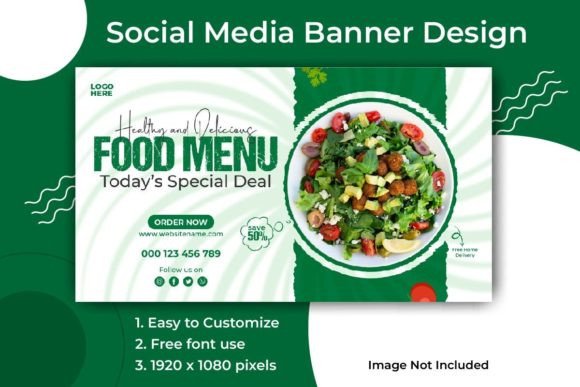
- Size 1920×1080 Pixels: This resolution is the standard for Full HD displays. It ensures that your banner looks perfect on most modern desktop monitors and laptops. While it is designed for screen use, the vector nature of the file means it can be adapted for other dimensions if needed.
- RGB Color Mode at 72 DPI: RGB (Red, Green, Blue) is the color model used for digital screens. Ensuring the file is in RGB mode guarantees that the colors you see on your monitor are accurately represented online. The 72 DPI (Dots Per Inch) resolution is standard for web graphics, balancing quality with fast loading times.
The Importance of Well-Organized Layers
One of the most underrated features of a high-quality template is the organization of its layers. In Adobe Illustrator, layers act like transparent sheets stacked on top of each other. A Well Organized Layer structure means that every element—backgrounds, vegetable illustrations, text, and decorative icons—is separated and labeled logically.
For beginners, this organization is a learning tool. You can hide certain layers to see how the design is constructed, or lock background elements to prevent accidental changes while editing text. For experienced designers, it saves hours of work. Instead of sifting through a chaotic jumble of objects, you can quickly locate and modify the specific component you need. This efficiency is vital in fast-paced marketing environments where deadlines are tight.
Clarifying Common Misunderstandings
It is important to address a common point of confusion regarding these templates: Image is not included. Many users assume that the photorealistic vegetables seen in preview mockups are part of the downloadable file. However, the main file typically contains vector shapes, icons, and text placeholders. The high-resolution photos used in previews are for demonstration purposes only and are not included in the purchase.
This distinction is crucial for managing expectations. You will need to source your own images if you wish to incorporate photography into your banner. Alternatively, you can use the vector illustrations provided within the template, which are often stylized and scalable. Understanding this helps you plan your workflow, ensuring you have access to necessary stock photos or original photography before you begin editing.
Practical Applications in Modern Business
The versatility of a vegetable web banner template extends beyond simple advertisements. Here are several ways businesses and creators can utilize this resource:
- E-Commerce Headers: Online grocery stores can use these banners as hero images on their homepage to highlight seasonal produce or special discounts.
- Social Media Campaigns: While the native size is 1920×1080, the vector format allows for easy resizing to fit Instagram posts, Facebook covers, or Pinterest pins, maintaining visual consistency across platforms.
- Email Newsletters: Embedding a visually appealing banner in email marketing campaigns can increase click-through rates by drawing attention to new arrivals or healthy recipes.
- Educational Content: Nutritionists and health coaches can use these templates to create engaging visuals for blog posts or educational materials about the benefits of various vegetables.
By integrating these templates into your daily activities, you streamline the creative process. Instead of starting from a blank canvas, you begin with a professional framework, allowing you to produce high-quality content more frequently.
How to Get Started with Editing
If you are new to Adobe Illustrator, editing a vector template might seem intimidating. However, the process is straightforward when you follow a logical approach. First, open the EPS file in Illustrator. Take a moment to explore the layers panel to familiarize yourself with the structure. Identify which layers contain text, shapes, and backgrounds.
Start by replacing the placeholder text with your own message. Use fonts that are easy to read and align with your brand identity. Next, adjust the colors if necessary. Since the file is in RGB mode, you can easily select shapes and change their fill colors to match your brand palette. If you wish to add your own images, remember that you will need to place them into the document and potentially mask them to fit within designated areas.
Always save a copy of the original file before making significant changes. This ensures that you can revert to the default design if needed. Once you are satisfied with your edits, export the final banner as a PNG or JPEG for web use, ensuring you maintain the 72 DPI resolution for optimal performance.
Conclusion
A Web Banner Template for Vegetables is more than just a design asset; it is a strategic tool for effective digital communication. By leveraging fully editable Illustrator Vector files with well-organized layers, you can create professional, eye-catching banners that resonate with your audience. Whether you are a seasoned designer looking to save time or a beginner aiming to enhance your marketing efforts, understanding the features and proper usage of these templates is key to success.
Remember, the goal is not just to display information, but to engage and inspire. With the right tools and a clear understanding of their capabilities, you can transform your online presence and connect with customers in meaningful ways. Embrace the flexibility of vector design, respect the technical specifications, and let your creativity flourish within the structured framework of a professional template.