Set of Shopping Bag Realistic 3d Design: Elevating Your Brand Visuals
In the fast-paced world of e-commerce and digital marketing, first impressions are often formed in milliseconds. A Set of Shopping Bag Realistic 3d Design is no longer just a decorative element; it is a critical asset for brand identity, packaging mockups, and promotional materials. Whether you are a freelance graphic designer, a small business owner launching a new product line, or a marketer crafting a seasonal campaign, the quality of your visual assets directly influences consumer perception. However, many creators overlook the nuances that separate a generic clip-art image from a high-end, professional 3D illustration.
Understanding how to select and utilize these assets correctly can save you time, prevent costly redesigns, and significantly enhance the perceived value of your products. This guide explores common pitfalls when working with realistic 3D shopping bag designs and offers practical advice to ensure your visuals stand out in a crowded digital marketplace.
The Misconception of "One Size Fits All" Lighting
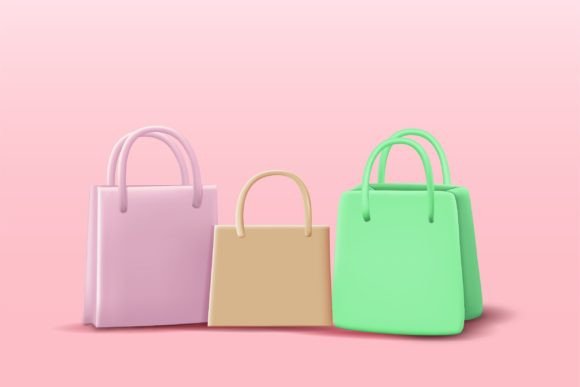
One of the most frequent mistakes beginners make is assuming that any realistic 3D bag will seamlessly fit into their existing design layout. In reality, lighting consistency is paramount. A stylish fashionable bag isolated on pink background might look stunning on its own, but if your website or advertisement uses cool, blue-toned lighting, the warm highlights on the bag will look disjointed and amateurish.
When you download or purchase a 3D Web Vector Illustrations pack, pay close attention to the light source direction and intensity. If the shadows fall to the left in your composite image but the 3D bag’s shadows fall to the right, the brain immediately registers the image as fake. This breaks trust with the viewer. To avoid this, always check if the asset provider offers multiple lighting variations or, ideally, raw files that allow you to adjust ambient occlusion and shadow density. If you are using a pre-rendered image, use blending modes in your editing software to harmonize the tones, but remember that starting with a compatible light source is far more efficient than trying to fix it in post-production.
Overlooking Material Texture and Resolution
Another common oversight is ignoring the material fidelity of the bag. A realistic design must convey the tactile nature of the object. Is it matte paper, glossy plastic, woven fabric, or kraft cardboard? Many low-quality sets fail to capture these subtle surface details, resulting in a flat, plastic-like appearance that detracts from the luxury feel of a brand.
For entrepreneurs and marketers, this distinction is crucial. If you are selling eco-friendly products, a shiny, synthetic-looking bag will contradict your brand message. Conversely, a high-end fashion brand requires crisp, reflective surfaces that suggest premium quality. Before committing to a specific Set of Shopping Bag Realistic 3d Design, zoom in to 100% or more. Look for noise, pixelation, or blurred textures. High-resolution assets should maintain clarity even when scaled for large banners or printed brochures. If the texture looks repetitive or tiled, it will likely appear unnatural in a final render.
The Trap of Ignoring Perspective and Angle
Perspective errors can subtly undermine the professionalism of your design. A frequent mistake is choosing a bag angle that conflicts with the viewer’s eye level in the overall composition. For instance, placing a bird’s-eye view bag into a street-level scene creates a disorienting visual experience. While 3D Web Vector Illustrations offer flexibility, not all sets provide comprehensive angle variations.
When evaluating a set, check for diversity in perspectives. Does it include front-facing, isometric, and three-quarter views? Having these options allows you to match the bag’s orientation with other elements in your design, such as product photos or text layouts. If you are limited to a single angle, you may find yourself forcing other design elements to conform to the bag, rather than the other way around. This restriction can stifle creativity and lead to cramped, unbalanced compositions. Always prioritize sets that offer multiple camera angles to ensure maximum versatility in your projects.
Neglecting Customization Capabilities
Many buyers assume that a "realistic" design means it is static and unchangeable. This is a significant misunderstanding, especially when working with 3D Web Vector Illustrations. The true value of a high-quality set lies in its editability. Can you change the handle color? Can you adjust the bag’s dimensions? Can you easily apply your own logo without distorting the underlying texture?
If you choose a flattened JPEG or PNG file, you lose the ability to make these crucial adjustments. This often leads to additional costs, as you may need to hire a 3D artist to recreate the bag with your specific branding. To avoid this, look for formats that support layer separation or smart objects. Even if you are not a 3D modeling expert, having access to layered files allows you to swap colors and insert logos while preserving the realistic shadows and highlights. This efficiency is vital for freelancers and small business owners who need to iterate quickly based on client feedback or market trends.
Contextual Harmony and Background Integration
While an isolated bag on a pink background is visually striking, real-world application often requires integration into complex scenes. A common error is failing to consider how the bag interacts with its environment. Does it cast a realistic shadow on the surface below? Does it reflect surrounding colors?
For bloggers and educators creating tutorials or promotional content, context is key. A bag that looks like it is floating in space can feel disconnected from the narrative. When selecting your assets, consider whether the set includes shadow passes or transparency layers. These elements allow you to ground the object in your design, making it feel part of the scene rather than pasted on top. If the set does not include these, be prepared to spend extra time manually creating shadows and reflections to achieve a cohesive look.
Making the Right Choice for Your Project
To ensure you get the most out of your investment, follow this checklist before downloading or purchasing:
- Verify Resolution: Ensure the files are high enough resolution for your intended use, whether web or print.
- Check Format Compatibility: Confirm that the file types (PSD, AI, OBJ, etc.) work with your current software stack.
- Assess Material Variety: Look for sets that offer different textures to match various brand identities.
- Evaluate Lighting Consistency: Choose assets with neutral or adjustable lighting to ease integration into your designs.
- Review License Terms: Understand whether the license allows for commercial use, especially if you are creating products for sale.
By paying attention to these details, you can avoid the common pitfalls that plague many digital designs. A well-chosen Set of Shopping Bag Realistic 3d Design is more than just an image; it is a versatile tool that enhances communication, builds brand trust, and elevates the overall aesthetic of your marketing efforts. Take the time to evaluate your options carefully, and you will find that the right assets can significantly streamline your workflow and improve your final output.