Social Media Like Icon Concept
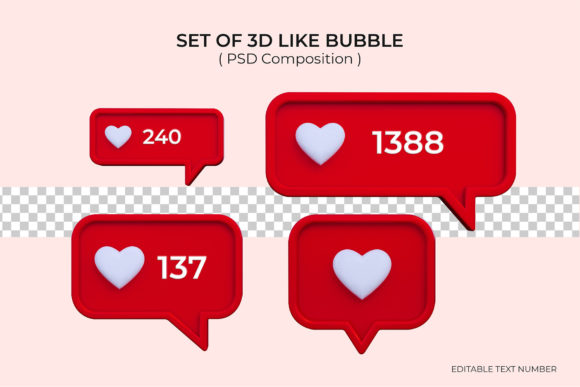
In the digital landscape, visual cues are the universal language of engagement. Among these, the "like" button is perhaps the most recognized symbol of approval, validation, and connection. A Social Media Like Icon Concept is more than just a graphic; it is a functional asset that bridges the gap between user intent and platform interaction. Whether you are designing a new app interface, creating marketing materials, or building a personal brand portfolio, having access to high-quality, editable icon resources can significantly streamline your workflow.
The availability of these concepts in versatile formats—such as PSD files with smart objects and ready-to-use PNGs—addresses a critical need for flexibility. Different professionals approach these assets with varying priorities. For a beginner, ease of use might be paramount. For a seasoned designer, layer organization and editability are non-negotiable. Understanding how to leverage these resources effectively depends largely on your specific role and project requirements.
Why Format Matters: PSD, PNG, and Smart Objects
When evaluating a design asset, the file format often dictates its utility. A Social Media Like Icon Concept delivered as a PSD (Photoshop Document) with smart objects offers a level of control that static images cannot match. Smart objects allow you to change colors, sizes, and even underlying shapes without losing image quality or breaking the design structure. This is crucial for maintaining consistency across different branding guidelines.
Conversely, PNG files provide immediate usability. They are lightweight, support transparency, and can be dropped directly into web projects, presentations, or social media posts without requiring specialized software. The combination of both formats in a single package ensures that the asset is useful regardless of your technical stack or immediate needs.
- PSD Files: Ideal for deep customization, color matching, and integration into larger design compositions.
- PNG Files: Perfect for quick implementation, web use, and platforms where editing capabilities are limited.
- Smart Objects: Enable non-destructive editing, allowing for rapid iterations and A/B testing of visual styles.
Perspectives from Different Creators
The value of a well-crafted like icon concept shifts depending on who is using it. Here is how different audiences might prioritize and utilize these assets.
For Beginners and Hobbyists
If you are new to graphic design, the learning curve associated with creating icons from scratch can be steep. Beginners often struggle with proportions, shadow effects, and color theory. A pre-made Social Media Like Icon Concept serves as an excellent educational tool. By dissecting the layers in a PSD file, you can learn how professional designers construct depth, handle highlights, and organize their workspace.
For hobbyists creating content for personal blogs or fan pages, the priority is often speed and aesthetic appeal. You may not have the time to master complex design software. In this case, the PNG files offer a hassle-free solution. You can download the asset, insert it into your post, and maintain a polished look without investing hours in creation. The key benefit here is accessibility: achieving a professional result with minimal technical barrier.
For Freelancers and Professional Designers
Freelancers and agency designers operate under tight deadlines. Client revisions are common, and the ability to pivot quickly is essential. When a client requests a change in the brand color scheme, a designer using a standard raster image would need to recreate the icon. However, with a PSD file featuring smart objects, this change takes seconds. This efficiency translates directly to profitability and client satisfaction.
Professionals also value the easy to edit nature of these files. It is not just about changing colors; it is about adapting the icon to fit various contexts—dark mode interfaces, printed merchandise, or animated prototypes. The reliability of a well-structured file ensures that the design remains crisp and consistent across all mediums. For this audience, the asset is a productivity multiplier.
For Marketers and Small Business Owners
Marketers and entrepreneurs focus on conversion and engagement. The "like" icon is a psychological trigger that encourages interaction. When running ad campaigns or designing email newsletters, having a visually distinct and appealing like icon can subtly influence user behavior. Small business owners, who often wear multiple hats, need assets that are versatile enough to be used across social media profiles, website footers, and promotional graphics.
For this group, the commercial value of the asset lies in its adaptability. They need to ensure that the icon aligns with their brand identity. The ability to tweak the design slightly via smart objects allows them to maintain brand consistency without hiring a designer for every minor adjustment. It empowers them to take ownership of their visual presence.
For Educators and Content Creators
Educators creating course materials or tutorials often need clear, high-quality visuals to explain concepts related to social media marketing or UI/UX design. A clean, vector-style like icon can be used in slides, worksheets, and video thumbnails. The clarity of the PNG file ensures that it looks good even when projected on large screens.
Content creators, such as YouTubers or bloggers, frequently use these icons in call-to-action overlays. Asking viewers to "like" the content is a standard practice, and having a custom, branded like icon can make this request feel more integrated and less generic. The creative freedom provided by editable files allows creators to match the icon’s style with their video’s theme or blog’s aesthetic.
Evaluating Quality and Usability
Not all design assets are created equal. When selecting a Social Media Like Icon Concept, consider the following factors to ensure it meets your long-term needs:
- Layer Organization: Open the PSD file. Are the layers named logically? Is the structure intuitive? Poorly organized files can waste more time than they save.
- Scalability: Check if the smart objects retain quality when resized. Pixelation is a sign of low-resolution source materials.
- Compatibility: Ensure the PSD version is compatible with your software. While most modern versions of Photoshop are backward compatible, extremely old files might cause issues.
- Versatility: Does the concept work in both light and dark environments? A good icon should be adaptable to different background colors.
These criteria help you determine whether the asset is a fleeting fix or a sustainable addition to your design library. High-quality resources reduce friction in your creative process, allowing you to focus on strategy and content rather than technical troubleshooting.
Practical Applications in Real Projects
To visualize the utility, consider a few scenarios. A startup launching a new community app might use the PSD file to prototype different button states—default, hovered, and clicked. The smart objects allow the UX team to test various color contrasts to meet accessibility standards quickly.
Meanwhile, a lifestyle blogger might use the PNG version to create a cohesive set of Instagram story stickers. By keeping the icon style consistent across all stories, they reinforce their personal brand identity. The ease of editing means they can update the color seasonally without starting from scratch.
In another instance, a digital marketing agency might include the icon in a client presentation to illustrate engagement metrics. The clean, professional look of the asset adds credibility to the proposal, showing attention to detail.
Making the Right Choice for Your Goals
Ultimately, the decision to use a pre-made Social Media Like Icon Concept comes down to balancing time, cost, and creative control. If you value speed and convenience, the PNG files offer an instant solution. If you prioritize customization and brand alignment, the PSD with smart objects is the superior choice. For many, having both options provides the best of both worlds.
Reflect on your current project. Do you need a quick visual aid, or are you building a comprehensive design system? Are you looking to learn design techniques, or do you need to deliver a client-ready asset today? By aligning the features of the file format with your specific objectives, you can maximize the value of these digital resources. Whether you are a novice exploring design or a veteran optimizing your workflow, the right tools empower you to create more effective and engaging digital experiences.