Boho Element: A Versatile Creative Asset
In the ever-evolving landscape of digital design, finding assets that balance artistic flair with technical versatility is a constant challenge for creatives. Boho Element emerges as a compelling solution, offering a distinct aesthetic that resonates with modern trends while maintaining the flexibility required for professional applications. Whether you are a seasoned graphic designer, a small business owner crafting your brand identity, or a hobbyist looking to elevate personal projects, understanding the utility and visual language of this asset is crucial. It is not merely a decorative addition; it is a foundational tool for creating cohesive and engaging visual narratives.
Understanding the Visual Language and Appeal
The term "boho" conjures images of free-spirited elegance, organic textures, and a relaxed yet sophisticated atmosphere. Boho Element captures this essence through its intricate details and fluid forms. Unlike rigid geometric structures often found in corporate sans serif font families, this asset embraces irregularity and hand-crafted charm. It serves as a bridge between traditional craftsmanship and modern typography, making it an ideal choice for brands that wish to convey authenticity and warmth.
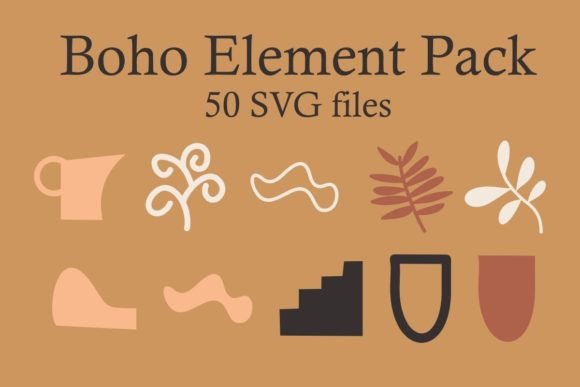
Visually, the element features delicate lines, organic curves, and perhaps subtle floral or abstract motifs that define the bohemian style. These characteristics allow it function effectively as a display font alternative or a primary graphic component in logo design. The appeal lies in its ability to soften harsh layouts and introduce a human touch to digital spaces. For marketers and content creators, this translates to higher audience engagement, as viewers are naturally drawn to designs that feel personal and inviting rather than sterile and mass-produced.
When evaluating this asset, consider its personality. It is playful yet refined, casual but polished. This duality makes it exceptionally versatile. It does not scream for attention like some overly ornate script font options; instead, it whispers sophistication. This subtlety is key in editorial design, where readability and aesthetic harmony must coexist. By integrating such elements, designers can create a visual hierarchy that guides the eye naturally through the content, enhancing the overall user experience without overwhelming the viewer.
Strategic Applications Across Industries
The utility of Boho Element extends far beyond simple decoration. Its adaptability makes it a valuable resource across various sectors, from fashion and beauty to hospitality and lifestyle blogging. In packaging design, for instance, these elements can transform a standard product label into a premium experience. Consumers often associate hand-drawn or organic aesthetics with artisanal quality and natural ingredients. By incorporating these visuals, brands can subtly communicate their values of sustainability and craftsmanship before the customer even reads the product description.
For web design and social media graphics, the asset provides a consistent visual thread that strengthens brand identity. In an era where scroll-stopping content is currency, having unique design components sets a brand apart from competitors relying on stock templates. Whether used as a background texture, a divider, or an accent around key headlines, Boho Element adds depth and interest to flat digital interfaces. It helps break up text-heavy sections, making information more digestible and visually appealing.
Entrepreneurs and small business owners will find particular value in its application for marketing materials. From business cards to brochures, the element adds a layer of professionalism that suggests attention to detail. It is not just about looking good; it is about creating a memorable impression. When customers recognize a consistent visual style across touchpoints, it builds trust and recognition. This consistency is vital for establishing a strong market presence, especially for new businesses trying to carve out a niche in crowded industries.
Furthermore, in the realm of publishing, whether digital or print, these elements can enhance chapter headers, drop caps, or section breaks. They provide a rhythmic pause in the reading experience, allowing the reader to reset and engage with the next segment of content. This thoughtful integration of design and function exemplifies how creative font alternatives and graphic elements can elevate standard publications into curated experiences.
Technical Versatility and File Formats
One of the most significant advantages of acquiring Boho Element is the range of file formats included: EPS file, Ai File, and SVG file. This triad of formats ensures that the asset is future-proof and compatible with virtually any design workflow. Understanding how to leverage each format is essential for maximizing the value of your purchase.
The Ai File (Adobe Illustrator) is the native format for vector editing. It allows designers to manipulate every anchor point, adjust colors, and modify shapes with precision. This is indispensable for customizing the element to fit specific brand guidelines. If your brand palette requires a specific shade of terracotta or sage green, the Ai file enables seamless adjustment without any loss in quality. It is the preferred format for professional designers who need full control over the final output.
The EPS file serves as a universal vector standard. It ensures compatibility with a wide range of design software beyond Adobe Illustrator, including CorelDRAW and Inkscape. This format is particularly useful for print production. Printers often prefer EPS files for large-format printing, such as banners or signage, because vectors scale infinitely without pixelation. This guarantees that your boho designs remain crisp and clear, whether printed on a small business card or a large storefront window.
The SVG file (Scalable Vector Graphics) is optimized for web use. Unlike raster images like JPEGs or PNGs, SVGs remain sharp on all screen resolutions, including high-density Retina displays. They also have smaller file sizes, which contributes to faster loading times for websites—a critical factor for SEO and user experience. Web developers and designers can easily embed SVGs directly into HTML code, allowing for dynamic interactions and animations if needed. This makes Boho Element an excellent choice for responsive web design where performance and aesthetics must align.
Practical Guidance for Integration and Licensing
Integrating Boho Element into your projects requires a thoughtful approach to ensure it enhances rather than distracts. Start by evaluating the project’s tone. Does the bohemian aesthetic align with the message you are conveying? For a law firm or a financial institution, this style might be too casual. However, for a yoga studio, a boutique hotel, or a handmade jewelry brand, it is perfectly suited. Context is everything in design.
When considering font pairing, remember that Boho Element often acts as a decorative counterpart to text. If you are using it alongside a serif font or a clean handwritten font, ensure there is enough contrast in weight and style. A heavy, bold typeface might clash with the delicate lines of the boho element. Instead, opt for lighter, airy fonts that complement its grace. Testing different combinations is crucial. Create mockups to see how the elements interact in real-world scenarios.
Readability should never be compromised for style. If using the element near text, ensure there is sufficient white space. Cluttered designs can confuse the viewer and dilute the impact of your message. Use the element to frame content or draw attention to key information, but avoid placing it directly over complex backgrounds or dense paragraphs.
Finally, always review the commercial licensing terms. As a commercial font or design asset, understanding usage rights is vital for avoiding legal issues. Most premium assets allow for unlimited personal and commercial projects, but it is wise to confirm restrictions on redistribution or resale. Respecting intellectual property not only protects your business but also supports the creative community that produces these valuable design assets.
In conclusion, Boho Element is more than just a graphic; it is a strategic tool for enhancing visual communication. By leveraging its versatile file formats and understanding its aesthetic potential, designers and business owners can create impactful, professional, and engaging content that resonates with their target audience.