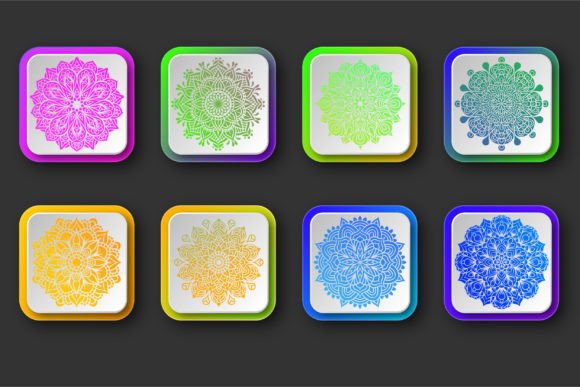
Colorful Mandala Texture Element: A Design Resource Evaluation
In the realm of digital and print design, texture serves as a critical component for establishing depth, mood, and visual interest. Among the diverse array of textural assets available to designers, the Colorful Mandala Texture Element has emerged as a versatile resource. This asset type combines intricate geometric symmetry with vibrant color palettes, offering a unique aesthetic that bridges traditional artistic motifs with modern graphic design needs. For professionals evaluating design resources, understanding the specific applications, technical specifications, and strategic advantages of these elements is essential for making informed decisions.
Understanding the Colorful Mandala Pattern Element
A colorful mandala pattern element is typically a circular, radial design characterized by complex, repeating geometric shapes. Historically rooted in spiritual traditions, particularly within Hinduism and Buddhism, the mandala represents unity and harmony. In contemporary design, however, its application is largely aesthetic and structural. These elements are not merely decorative; they function as focal points or background textures that guide the viewer’s eye toward the center of the composition.
The "colorful" aspect distinguishes these elements from monochromatic or line-art variations. By incorporating a spectrum of hues, these textures add vibrancy and energy to a project. The complexity of the pattern allows for scalability, where the design can be used as a subtle backdrop or a prominent foreground feature, depending on opacity and layering techniques. When evaluating such assets, it is important to recognize that they are not one-size-fits-all solutions but rather specialized tools for specific visual narratives.
Key Applications and Use Cases
The versatility of the Colorful Mandala Texture Element makes it suitable for a wide range of projects. Understanding where these elements perform best helps designers determine if they align with their current project goals.
- Wedding Invitations: The intricate nature of mandalas conveys elegance and attention to detail, making them ideal for formal wedding stationery. They provide a sophisticated frame for typography without overwhelming the essential information.
- Luxury Cards and Packaging: High-end brands often utilize complex patterns to signify quality and exclusivity. A colorful mandala can serve as a embossed texture or a foil-stamped element on business cards, gift tags, or product packaging.
- Website Landing Pages: In digital design, these elements can be used as hero section backgrounds. When adjusted for low opacity, they add visual depth to flat designs, preventing the interface from appearing sterile while maintaining readability.
- General Backgrounds: For social media graphics, presentations, or posters, a mandala texture provides a structured yet organic backdrop that supports content without competing for attention.
Technical Specifications and File Formats
When selecting a design asset, the file format is as crucial as the visual style. A comprehensive Colorful Mandala Texture Element package typically includes two primary formats: EPS (Encapsulated PostScript) and high-quality JPG (Joint Photographic Experts Group). Each format serves distinct purposes in the design workflow.
EPS Adobe Illustrator Files
The inclusion of an EPS Adobe Illustrator file is a significant advantage for professional designers. EPS files are vector-based, meaning they are composed of mathematical paths rather than pixels. This allows for infinite scalability without any loss of resolution. Designers can resize the mandala from a small icon to a large-format banner without encountering pixelation or blurriness. Furthermore, vector files enable full editability. Users can modify individual colors, adjust line weights, or isolate specific segments of the pattern to create custom variations. This level of control is essential for branding consistency and tailored design solutions.
JPG High-Quality Images
The JPG high-quality image format serves users who require immediate usability without the need for advanced editing software. High-resolution JPGs are ready to drag and drop into platforms like Canva, Microsoft Word, or basic photo editors. They are ideal for quick mockups, digital-only projects, or situations where vector editing skills are not available. However, unlike EPS files, JPGs are raster-based. Scaling them beyond their original dimensions will result in quality degradation. Therefore, it is vital to ensure the provided JPG resolution matches the intended output size, particularly for print applications.
Benefits and Strategic Advantages
Integrating a colorful mandala pattern element into a design strategy offers several benefits. Firstly, it saves time. Creating intricate mandala designs from scratch requires significant skill and hours of labor. Using a pre-made element allows designers to focus on layout, typography, and overall composition. Secondly, these elements provide instant visual complexity. A plain background can appear amateurish or unfinished; a mandala texture adds a layer of professionalism and artistic flair. Finally, the cultural associations of mandalas with balance and mindfulness can subtly influence the emotional response of the audience, making them particularly effective for wellness, yoga, or spiritual brands.
Considerations and Tradeoffs
While beneficial, there are tradeoffs to consider. The primary challenge is visual clutter. Because mandalas are inherently detailed, they can easily overwhelm other design elements if not managed correctly. Designers must carefully balance opacity, color saturation, and placement. A highly saturated, colorful mandala may clash with bold typography, reducing readability. In such cases, desaturating the image or using it as a faint watermark may be necessary.
Another consideration is trend relevance. While mandalas have enduring appeal, specific color trends change. A Colorful Mandala Texture Element featuring outdated color combinations may date a design quickly. Opting for neutral or brand-aligned color palettes within the vector file can mitigate this risk, allowing for future adjustments.
When to Choose Alternatives
There are scenarios where a mandala texture may not be the optimal choice. For minimalist or ultra-modern brands that prioritize clean lines and negative space, the complexity of a mandala might contradict the brand identity. In these cases, simple geometric patterns, solid colors, or subtle gradients may be more appropriate. Additionally, for projects requiring fast loading times on mobile devices, heavy texture files can impact performance. Optimized, simpler backgrounds might be preferable for high-traffic landing pages where speed is a priority.
Decision-Making Insights
To determine if a Colorful Mandala Texture Element aligns with your project goals, consider the following questions:
- What is the hierarchy of information? If the texture competes with the main message, it may need to be subdued or removed.
- Do you need editability? If you require custom colors or scaling, ensure the EPS file is compatible with your software.
- Who is the target audience? Assess whether the intricate, colorful style resonates with your demographic’s preferences and expectations.
In conclusion, the Colorful Mandala Texture Element is a powerful tool for adding depth and elegance to various design projects. By understanding its technical formats, appropriate use cases, and potential limitations, designers can effectively leverage this resource to enhance visual communication. Whether for a luxury wedding invitation or a dynamic landing page, the key lies in balanced integration, ensuring the pattern supports rather than dominates the overall design narrative.