Islamic Lantern Element: Design & Meaning
The Islamic lantern element is more than a decorative motif; it is a visual bridge connecting heritage, spirituality, and modern aesthetics. Whether you are designing a brand identity for Ramadan, curating home decor, or teaching cultural history, understanding the nuance of this symbol is essential. It represents light, guidance, and celebration, making it a powerful tool in visual communication.
For many, the lantern—often referred to as a Fanoos—evokes memories of childhood evenings during the holy month, the glow of warm lights in bustling souks, and the intricate beauty of geometric art. But beyond nostalgia, the Islamic lantern element serves specific functional and artistic purposes across various industries. Its versatility allows it to be adapted for minimalistic web designs, elaborate architectural features, or educational materials, depending on the creator’s intent.
Understanding the Visual Language
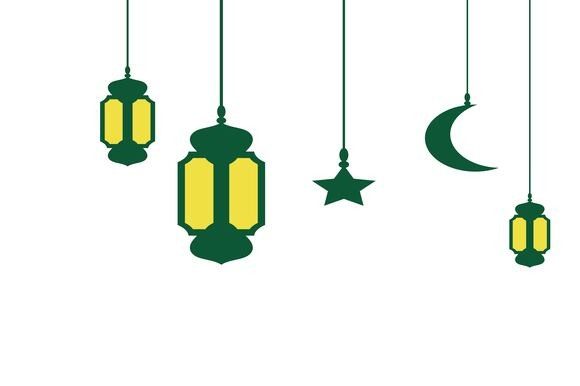
At its core, an Islamic lantern element typically features specific structural characteristics. These include arched tops, hanging chains, glass panels with geometric patterns, and often a central light source represented by a candle or bulb. The design draws heavily from Islamic geometric patterns, which symbolize the infinite nature of creation. When incorporating these elements into modern projects, it is crucial to respect their origins while adapting them for contemporary use.
The appeal lies in its balance of complexity and simplicity. A detailed vector illustration might showcase every cut-out pattern, appealing to traditionalists and luxury brands. Conversely, a simplified silhouette works perfectly for app icons, social media graphics, or minimalist packaging. This flexibility is why the Islamic lantern element remains a staple in design libraries year after year.
Perspectives for Creators and Designers
For graphic designers and digital creators, the Islamic lantern element is a seasonal powerhouse. During Ramadan and Eid, demand for themed content spikes. Here, priorities shift toward speed, scalability, and uniqueness.
- Flexibility: Designers need assets that can be easily resized without losing quality. Vector-based lantern elements allow for seamless integration into large banners or small mobile screens.
- Creativity: Rather than using stock images verbatim, professionals often deconstruct the lantern. They might isolate the geometric lattice work to create backgrounds or use the silhouette as a frame for typography.
- Cultural Sensitivity: Experienced creators understand that context matters. A lantern used in a festive context differs from one used in a solemn, reflective piece. Choosing the right style ensures the message resonates authentically with the audience.
Freelancers and agency owners also consider commercial value. Investing in high-quality, exclusive Islamic lantern element packs can differentiate their portfolios. Clients increasingly seek bespoke designs that avoid generic clip-art looks, pushing designers to customize standard elements with unique color palettes or textures.
Value for Educators and Content Publishers
Educators, bloggers, and publishers approach the Islamic lantern element with a focus on clarity and engagement. For them, the visual is a teaching aid or a narrative device.
In educational settings, such as schools or online courses about Islamic culture, the lantern serves as an entry point for discussing history, astronomy (as lanterns were historically used for lighting), and art. Teachers might use illustrated lanterns to help younger students identify symbols of Ramadan, making abstract concepts tangible.
For bloggers and digital publishers, the priority is often readability and aesthetic cohesion. An Islamic lantern element can break up text, serve as a header image, or accentuate pull quotes. The key here is subtlety. Overly ornate designs can distract from the content, so many educators opt for clean, line-art styles that complement rather than compete with the text. This approach enhances the learning experience by providing visual cues without overwhelming the reader.
Business Owners and Marketing Strategies
Small business owners, particularly those in retail, hospitality, or food services, leverage the Islamic lantern element to connect with customers during peak seasons. For these entrepreneurs, the focus is on brand alignment and customer emotion.
Consider a café launching a special Ramadan menu. Using lantern imagery in their social media ads and in-store signage creates an immediate atmospheric link to the season. It signals warmth, community, and tradition. However, the execution must match the brand’s identity. A modern, minimalist coffee shop might use a sleek, abstract lantern icon, while a traditional bakery might opt for rich, detailed illustrations with gold accents.
Marketing professionals also evaluate the Islamic lantern element based on conversion potential. Does the imagery evoke the right emotional response? Does it stand out in a crowded feed? A/B testing different styles—such as realistic 3D renders versus flat design—can reveal what resonates best with their specific demographic. The goal is not just decoration, but driving engagement and sales through culturally relevant visuals.
Hobbyists and Home Decor Enthusiasts
For hobbyists, DIY enthusiasts, and homeowners, the Islamic lantern element is about personal expression and ambiance. This group often prioritizes ease of use and aesthetic pleasure over commercial viability.
Many individuals enjoy incorporating lantern motifs into their home decor during festive periods. This might involve purchasing physical lanterns, printing wall art, or creating handmade cards. The rise of digital cutting machines has allowed hobbyists to download Islamic lantern element files and create intricate paper cuts or wooden decorations. For this audience, the joy lies in the process of creation and the personal touch added to their living spaces.
Quality and accessibility are key concerns. Hobbyists often look for free or affordable resources that are easy to modify. They may not have advanced design skills, so user-friendly templates and clear instructions are highly valued. The ability to customize colors to match existing home decor allows for a cohesive look that feels personal and intentional.
Choosing the Right Element for Your Needs
With countless variations available, selecting the right Islamic lantern element requires assessing your specific goals. Ask yourself the following questions:
- What is the context? Is it for a corporate campaign, a personal project, or an educational resource? Formal contexts may require more refined, traditional designs, while casual settings allow for playful interpretations.
- Who is the audience? Understand their expectations and cultural connections. A global audience might appreciate universal symbols of light, while a local audience might recognize specific regional styles of lanterns.
- What is the medium? Digital screens favor bold, simple shapes, while print media can handle finer details. Ensure the resolution and format suit your platform.
- What is your skill level? Beginners should start with pre-made, editable templates. Professionals might prefer raw vector files to build custom compositions from scratch.
By aligning the choice of Islamic lantern element with these factors, you ensure that the final output is not only visually appealing but also meaningful and effective. Whether you are aiming to inspire, educate, sell, or decorate, the lantern remains a timeless symbol that, when used thoughtfully, adds depth and resonance to your work.
Ultimately, the power of the Islamic lantern element lies in its ability to convey light in both a literal and metaphorical sense. It invites viewers to pause, reflect, and appreciate the beauty of tradition in a modern world. By understanding its diverse applications and respecting its cultural significance, you can harness its potential to create impactful and authentic visual experiences.